Design for manufacture
Designs built for the real world.
Engineering with manufacturing in mind
The best engineering solutions need to be practical to manufacture, assemble and maintain.
By considering fabrication methods, standard components, material selection, tolerances and assembly processes early in the design stage, we help reduce production costs, minimise rework, and improve overall product quality.
Even modest changes at this stage can shorten lead times and improve reliability across every unit produced.
Design for Manufacture (DFM): Reviewing geometry, material choice and tolerances against the selected manufacturing process.
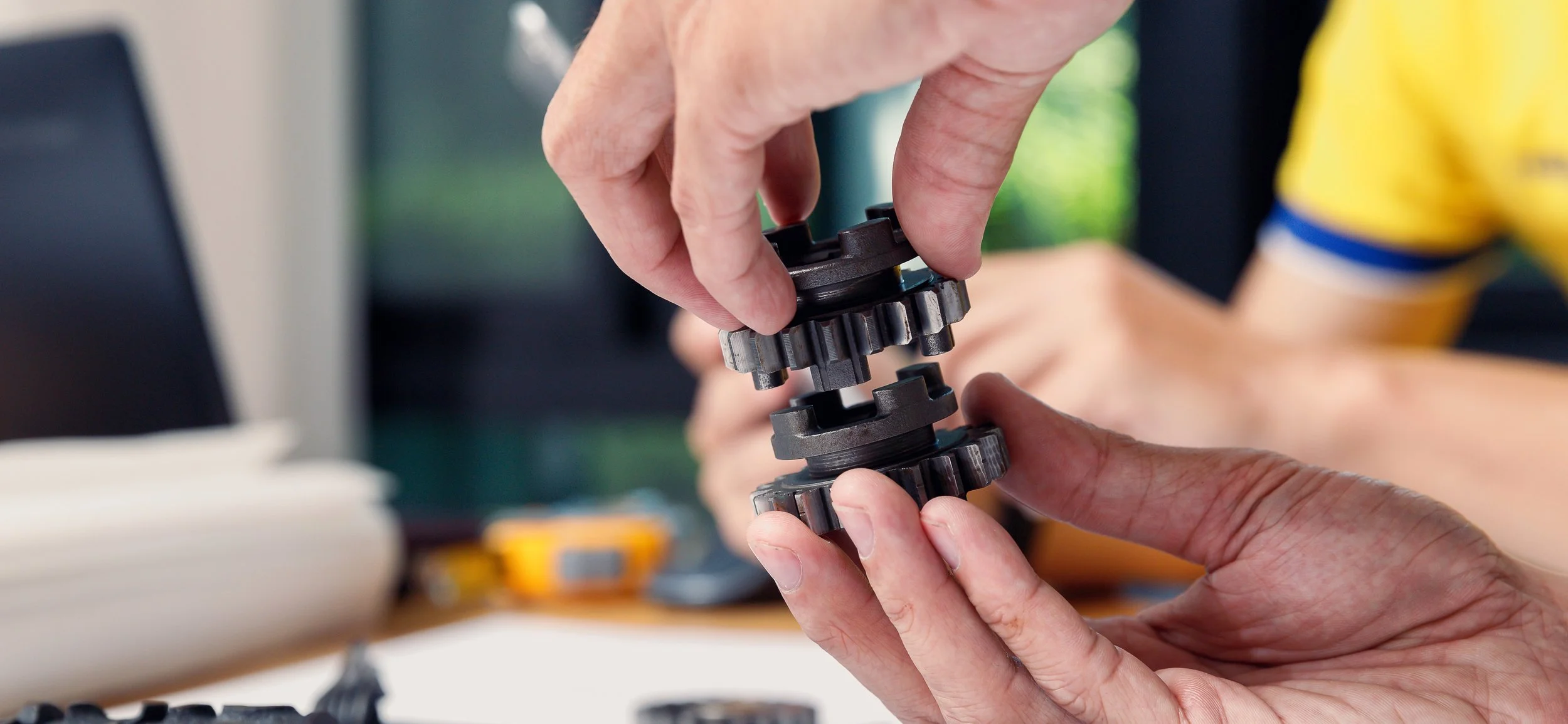
Design for Assembly (DFA): Reviewing part count, interfaces and assembly sequence to identify avoidable handling or rework.
Resolving manufacturing issues before production
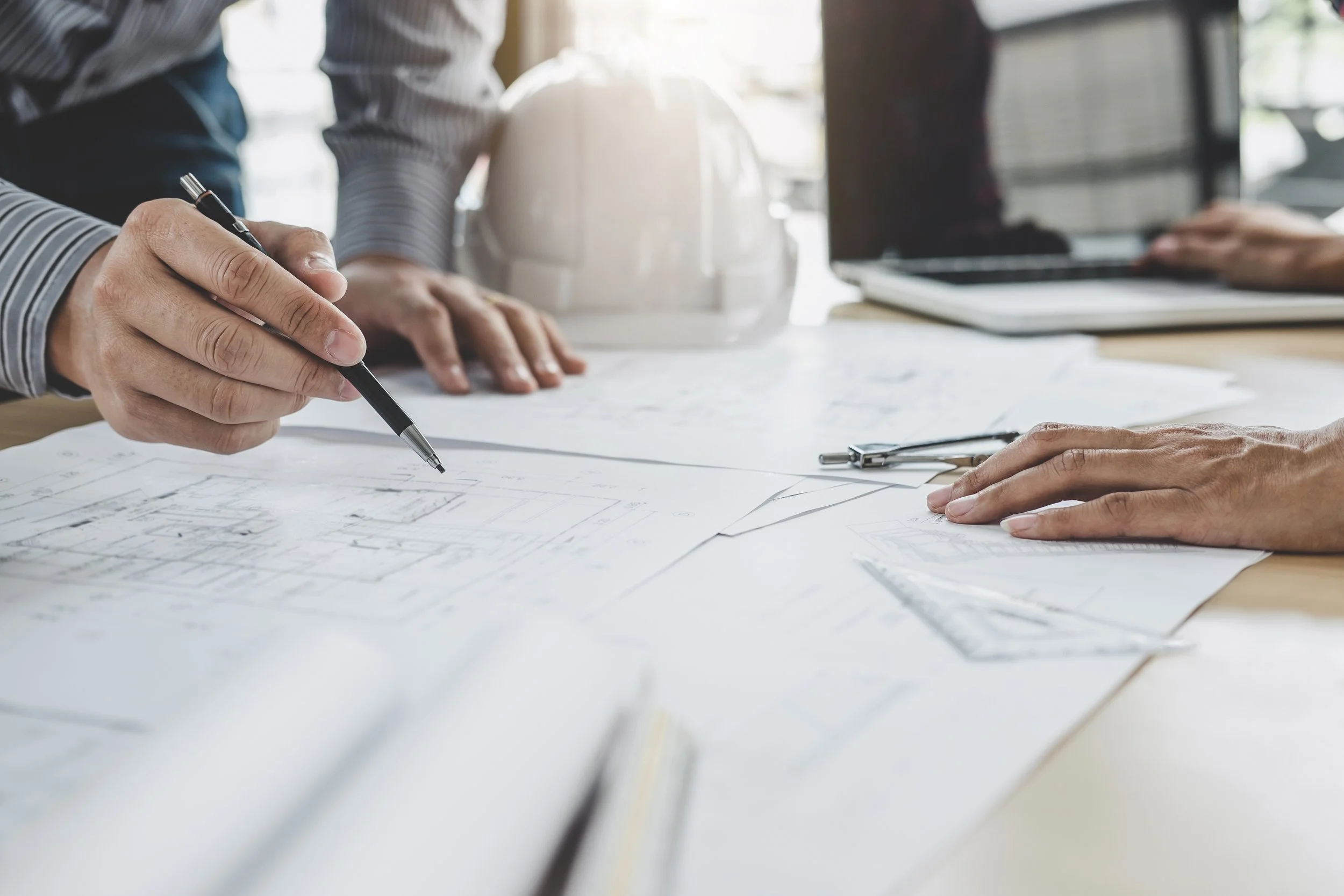
A CAD model can be geometrically perfect while still creating unnecessary challenges during manufacture.
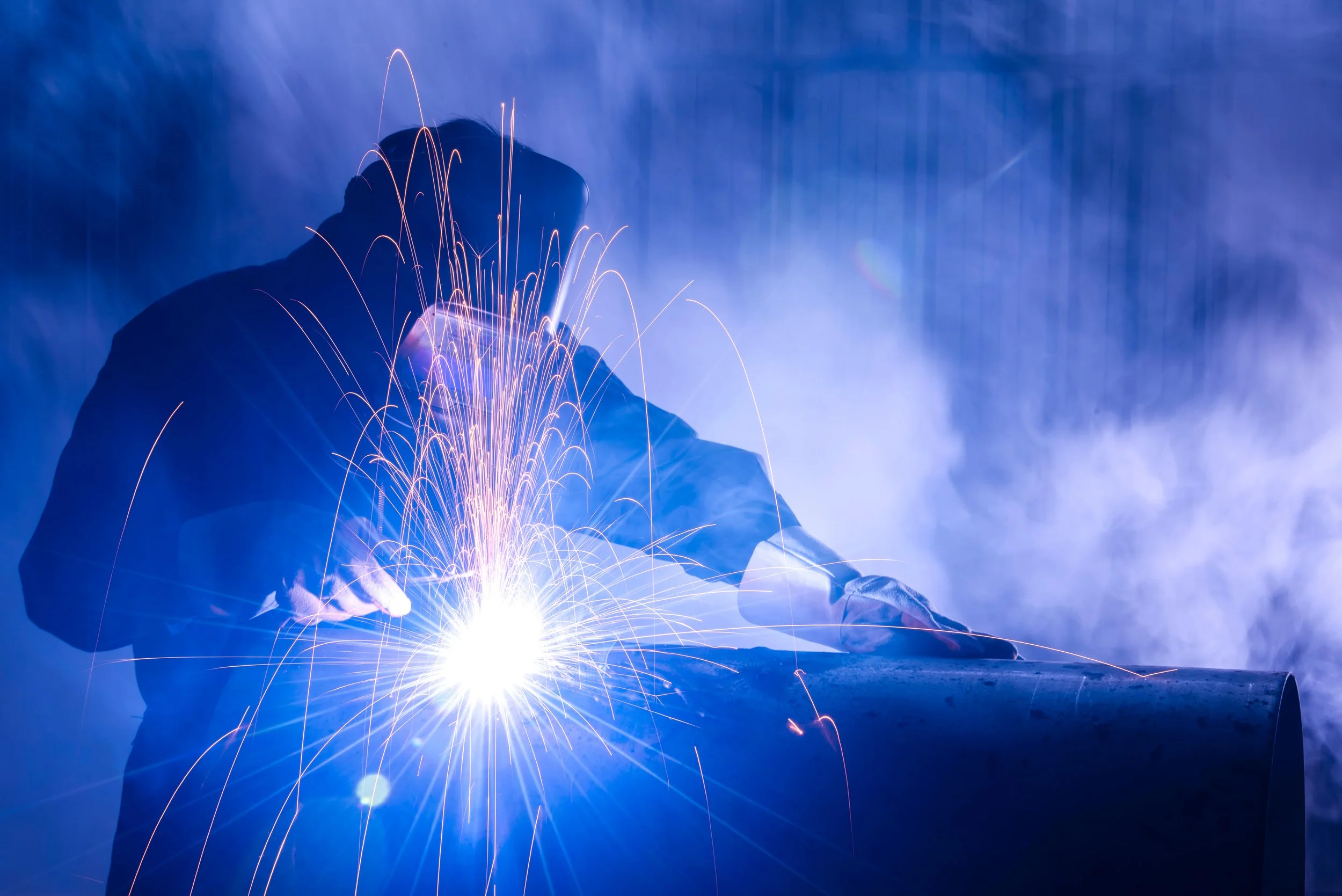
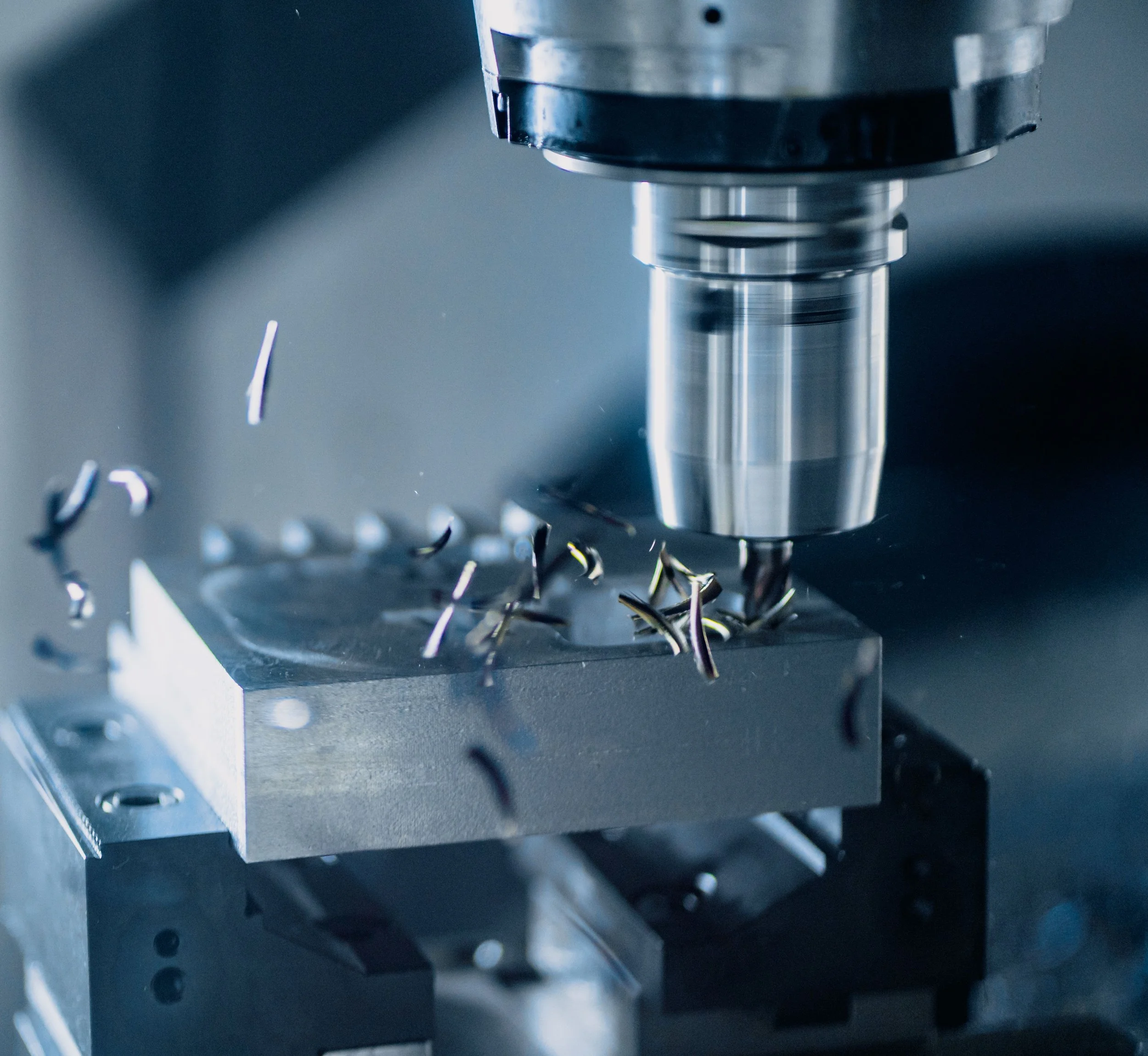
Our engineers look beyond the digital model, considering how components will be cut, welded, machined, assembled, transported, installed and maintained throughout their lifecycle.
Whether improving an existing design or supporting new development, we remove unnecessary difficulty so the finished result is practical to manufacture and straightforward to support.
Manufacturing Reviews: Independent assessment of existing designs to identify unnecessary complexity, production risks, and cost-saving opportunities.
Design Optimisation: Refining designs to improve manufacturability while maintaining performance, safety, and reliability.

Our Approach
-
Understand the Design
We review the design, production requirements and proposed manufacturing methods.
-
Resolve the Challenges
Manufacturing risks, assembly issues and avoidable cost are identified early.
-
Explore the Options
We refine geometry, material use and assembly to improve production efficiency.
-
Prepare for Manufacture
Approved changes are incorporated into final models, drawings and manufacturing documentation.
Need design assistance?
We refine designs around the intended manufacturing process to improve production efficiency and make assembly more straightforward.
-
Eliminate unnecessary complexity and improve production efficiency through practical design improvements.
-
Designs that are easier to fabricate and assemble help reduce lead times and improve workflow.
-
Simpler manufacturing processes often lead to more consistent, reliable products with fewer opportunities for error.
-
Every recommendation is made with practical workshop experience and real-world production methods in mind.